



Power density is the primary driver of profitability for your entire mining economic chain. The higher your sustained power density, the more hashrate you can run per MW without throttling or downtime; directly boosting revenue per site, reducing miner capex, and extending hardware life. If your RFQ process doesn’t qualify vendors on sustained density, thermal stability, and replacement-cycle economics, you’re leaving Bitcoin(BTC) on the table.
What power density really means
A working, investment-grade definition: power density is the continuous heat-removal capacity per unit of space or infrastructure at realistic worst-case conditions (summer ambient, peak draw, full rack/container). For mining decision-makers the practical forms are:
- kW per rack / kW per container: Continuous kilowatts you can run inside a rack or container footprint.
- MW / acre (or per ft²): Facility-level density used for land, permitting and grid planning.
Because nearly all electrical power becomes heat, power density may be a “cooling” metric: however, executives should treat it as a financial one: it’s the rate at which a site can safely convert electricity into BTC within the same footprint and machines.
The operating standard: sustained, not peak
Vendor “peak kW” numbers look impressive, but they don’t mine BTC. What matters is continuous kW removal at design inlet/outlet conditions for months, across real ambient swings. Absolute °C isn’t the full story; ASIC lifetime is dominated by thermal stability (flat junction/PCB temps, no hotspots). Overclocking is value-creating only when that envelope is stable.
Architecture that wins
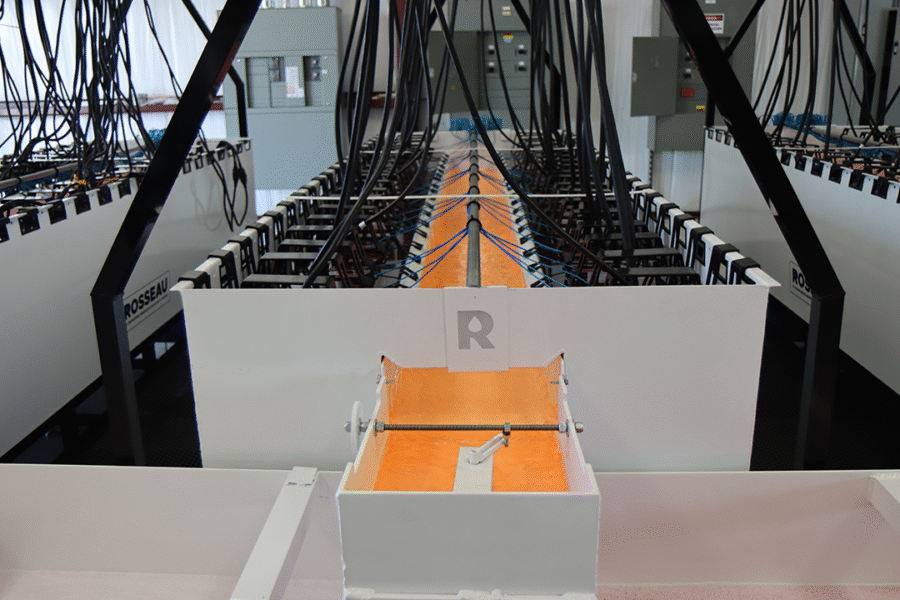
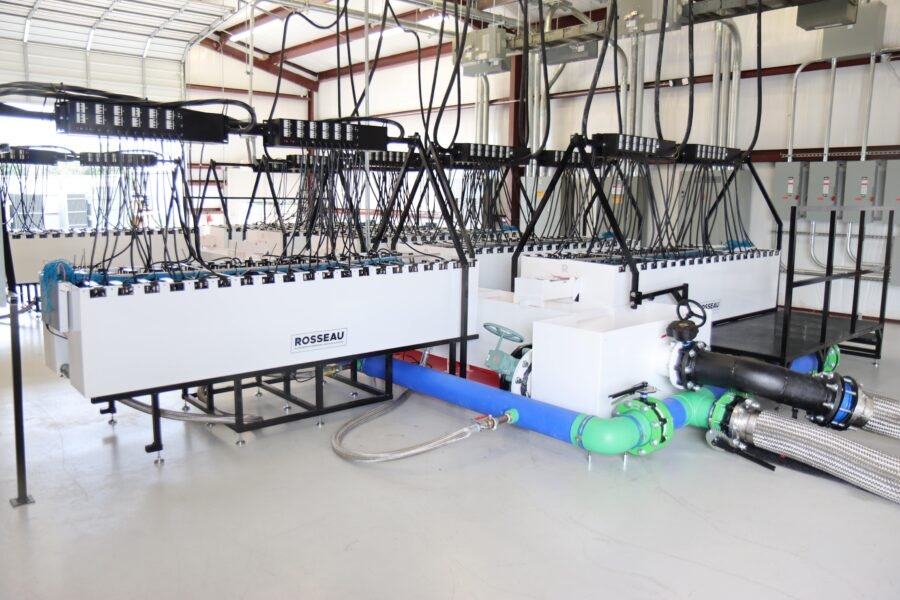
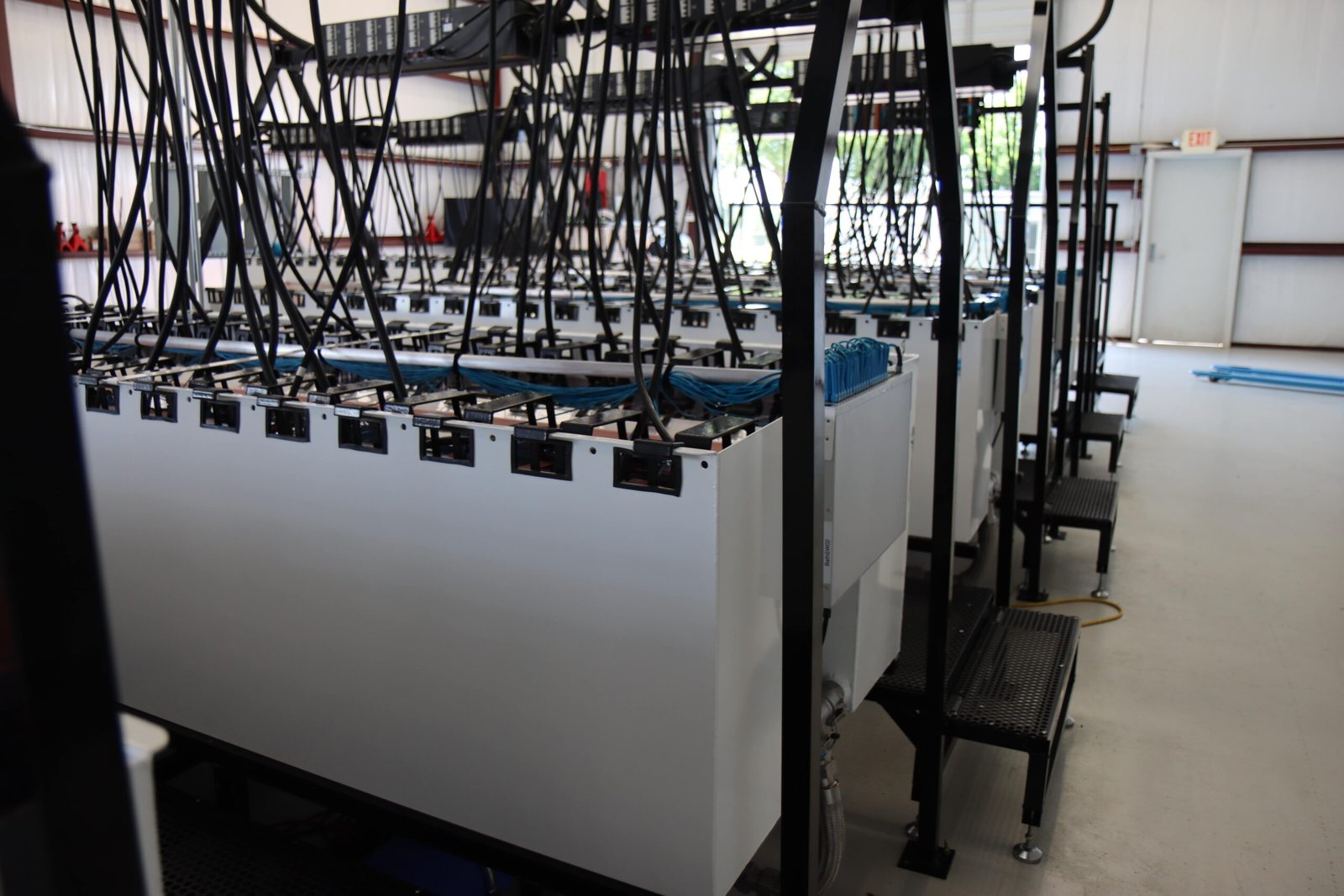
At scale, system-level immersion cooling (industrial pumping, large heat-exchange surface, flow engineered to avoid dead zones) outperforms many isolated tanks. It’s how sites achieve high sustained density in the field. Rosseau has partnered with industry leaders to provide the highest density and the lowest deployment capex currently available. .
Bottom line (or why executives should care)
“Power density is not an engineering hobby: It changes the P&L and is the primary driver of profitability for the entire economic chain.”
• Lower hardware capex. More TH per miner (via safe overclocking and stable operation) means you buy fewer miners to hit target capacity.
• Lower lifecycle costs. Thermal stability (reduced cycling, fewer hotspots, no dust ingestion) extends ASIC life and reduces replacement cadence.
• Fewer outages, higher yield. Predictable thermal margins and industrial-scale cooling systems translate directly to uptime and mined BTC.
• Future optionality. A high-density facility can accept next-gen, higher-power ASICs without expensive retrofit.
Does Power Density Have You Curious?
Read more about how Rosseau can maximize your mining density. Get our RFQ checklist and a two-slide ROI built on your fleet spec (customized to your miner models, costs and site). We’ll model your economics and create a board-ready analysis.